


Civic movements grow when people recognize that a public problem affects their everyday lives and believe they can act together. The history of the March on Washington illustrates how shared purpose, broad partnerships, detailed planning, and clear demands can turn public concern into a powerful collective moment.
Still, a large gathering is not the same as lasting progress. Durable movements build trust before an event, create meaningful roles for participants, communicate responsibly, and continue working after public attention moves elsewhere.
1. Why Shared Purpose Comes First
People are more likely to participate when an issue is connected to something concrete, such as safe streets, fair treatment at work, school resources, housing, or access to public services. A value such as fairness provides moral direction, while a campaign goal gives people a practical reason to act.
A movement can include different opinions and still stay united if participants agree on its central purpose and respect the process for handling disagreements. A neighborhood effort to improve a dangerous intersection, for example, can expand into a broader campaign for safer transportation across a city.
2. How Clear Demands Create Focus
Public demands should be specific, measurable, and directed toward the people or institutions with the power to respond. Too many priorities can confuse supporters, while vague language can make it difficult to tell whether progress occurred.
- What change is needed?
- Who has the authority to make that change?
- What action should happen next?
- How will organizers measure progress?
Link long-term values to short-term steps. For example, a campaign for educational fairness might first ask a school district to publish data, schedule a public meeting, or adopt a defined improvement plan.
3. Building Coalitions That Work
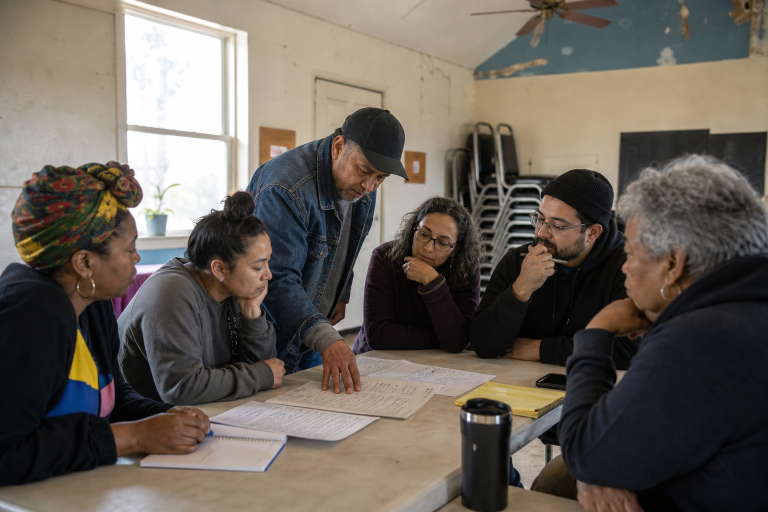
Movements often gain strength when community groups, workers, students, faith communities, artists, and neighborhood leaders combine their skills. People directly affected by an issue should have real authority, not only a symbolic place in the campaign.
- List groups already working on related concerns.
- Identify shared goals and differences early.
- Assign responsibilities for outreach, research, logistics, and media.
- Create a simple process for resolving conflict.
- Review what worked after each major action.
Written agreements about credit, expectations, and decision-making reduce competition and prevent one organization from carrying all the work.
4. The Practical Work Behind A Public Gathering
The visible event is only the public result of less visible preparation. Organizers should confirm permits and location rules, arrival points, transportation options, volunteer assignments, first-aid contacts, weather plans, food and water access, rest areas, and press procedures. Translation, mobility access, and clear signs should be included from the first planning meeting, not added at the last minute.
5. Using Stories, Speeches, And Culture
Personal stories help audiences understand how an issue affects real people. Strong speeches pair emotion with a clear next step, while music, art, signs, and shared visual symbols can create a connection across a large crowd. Use several voices so no single speaker is treated as the entire movement.
- Keep the message short enough to repeat.
- Make it specific enough to guide action.
- Be hopeful without minimizing serious harm.
- Use language that new supporters can understand quickly.
6. Making Civic Action Safe And Accessible
Safety planning protects participants and builds public trust. Designate trained volunteers, identify exits and meeting points, provide hydration and shade where needed, and establish calm communication channels for updates. A code of conduct should explain expectations for peaceful participation and how volunteers will respond to conflict.
Preparing for risk does not require creating fear. It means giving older adults, children, disabled participants, and people who speak different languages the information and support they need to participate with confidence.
7. Using Digital Tools Without Losing Trust
Online posts can distribute updates quickly, but they rarely replace personal outreach. Combine email, text alerts, community meetings, phone calls, and trusted local messengers. Verify claims before sharing them, direct people to official event information, and avoid collecting unnecessary personal data. Digital communication works best when it strengthens relationships that already exist offline.
8. Turning One Event Into Long-Term Momentum
Follow-up should be planned before the main event. Collect contact details only with clear consent, send participants a timely update, and hold a review meeting within one week. The Global Protest Tracker can help readers examine patterns in civic action, public demands, participation, and outcomes across different places.
Turn attention into meetings with decision-makers, public comments, petitions, voter education, workplace efforts, or neighborhood projects. Track active volunteers, retained partner groups, official meetings, public commitments, and concrete policy or community changes.
9. Common Questions About Civic Movements
What Makes A Civic Movement Different From A One-Time Event?
An event creates attention. A movement builds relationships, develops leaders, repeats its message, and works toward measurable goals over time.
Do Large Crowds Always Create Change?
No. Large crowds can increase visibility, but organization, clear demands, public support, and persistent follow-up determine whether attention produces results.
How Can Small Groups Build Momentum?
Start with a specific local concern, listen to affected residents, form a small coalition, and choose an achievable first action that builds confidence.
How Can A Movement Stay Peaceful During Conflict?
Set clear expectations, train volunteers in de-escalation, communicate calmly, and keep returning to the shared goal. For additional learning, the People-Powered Training Platform offers resources related to organized nonviolent action.
Shared Action Requires Steady Work
Civic momentum is built through connected actions, not one dramatic day. A public gathering can bring people together, but preparation, trust, shared responsibility, accessibility, and consistent follow-up are what help a movement continue after the crowd goes home.

