


Victorian, Edwardian, and Craftsman houses offer details that newer construction rarely matches, from bay windows and original millwork to high ceilings and built-in cabinetry. Buyers reviewing homes for sale in San Francisco can benefit from Bonnie Spindler’s property-specific guidance, a San Francisco real estate professional focused on historic Victorian, Edwardian, and pre-1926 homes. Her San Francisco historic homes page is designed for buyers comparing period architecture, preservation considerations, and neighborhood opportunities across areas where older homes are especially common.
Character, however, is not a substitute for condition. Two homes with the same square footage and similar asking prices can have dramatically different ownership costs. One may need paint, minor carpentry, and appliance updates. Another may need a new sewer lateral, panel upgrade, foundation repairs, and a carefully permitted renovation before it truly functions as a modern home.
Why Older San Francisco Homes Need A Different Budget
Older properties often carry layers of change. A remodeled kitchen may sit above original plumbing. A polished electrical panel may serve portions of a house that still contain aging wiring. Finished basements, attic rooms, decks, and garage conversions may look useful, but buyers should confirm whether they were built legally and safely.
Budgeting should therefore include both immediate repairs and future maintenance. Original wood windows, ornate trim, sloped lots, exterior stairs, and complex rooflines may be valuable features, but they require more specialized care than standard replacement materials. The right purchase is not necessarily the most ornate home. It is the home whose condition and project scope match the buyer’s finances, timeline, and tolerance for ongoing work.
The Five Costs Buyers Should Estimate First
- Seismic and foundation work: Review the foundation, crawl space, posts, piers, cripple walls, anchoring, drainage, and evidence of prior retrofit work.
- Plumbing: Identify the supply line material, drain condition, sewer history, water pressure, and signs of concealed leaks or prior water damage.
- Electrical systems: Check panel capacity, grounding, visible wiring, outlet functionality, and whether newer loads, such as induction cooking or EV charging, are feasible.
- Roof and exterior maintenance: Inspect roofing, flashing, siding, paint, porches, stairs, windows, gutters, and site drainage.
- Permits and design work: Include architectural and engineering work, contractor planning, permit fees, and possible historic review in the project budget.
How To Review The Foundation And Seismic History
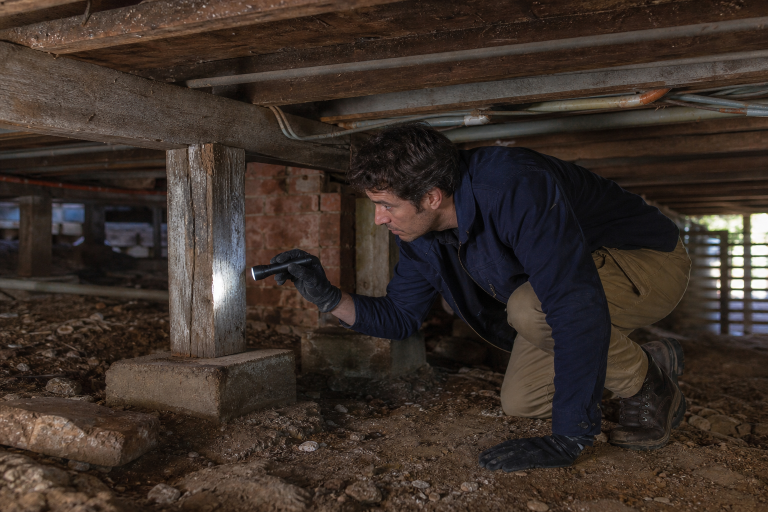
In San Francisco, foundation questions deserve early attention. Older houses may have post-and-pier supports, unreinforced masonry elements, weak cripple walls, or additions constructed at different times. Visible cracks do not automatically mean a major structural issue, but they should be evaluated in context by a qualified professional. The Federal Emergency Management Agency’s earthquake guidance is a useful starting point for understanding why bracing, anchoring, chimneys, elevated structures, and soil conditions matter.
Questions To Ask During A Foundation Review
- What type of foundation supports the original structure and later additions?
- Has the property had a seismic retrofit, and are permits, plans, and final inspection records available?
- Are there signs of settlement, moisture intrusion, wood deterioration, sloping floors, or movement around openings?
- Does the general inspector recommend a structural engineer or further destructive investigation?
Plumbing, Electrical, And Heating Checks
System age matters, but documentation matters just as much. Ask for service records for the water heater, furnace, boiler, or heat pump. Look below sinks and around bathrooms for stains, soft flooring, corrosion, and musty odors. Test accessible outlets and ask whether major appliances are on appropriate circuits. A sewer scope can be particularly useful when records are incomplete or mature landscaping may have affected underground lines.
For remodeled kitchens, bathrooms, additions, and converted spaces, request permits and final approvals rather than relying on appearance. A space can be attractive and still create financing, insurance, safety, or resale complications if its work was not properly documented.
Historic Design Rules And Renovation Limits
Historic designation, conservation districts, and local planning controls can affect exterior work. Windows, siding, façades, porches, rooflines, visible mechanical equipment, dormers, decks, and garage conversions may require additional review. Before building a renovation plan around assumptions, confirm a property’s status and current process with the San Francisco Planning Department.
Preserve What Buyers Actually Value
Original staircases, Douglas fir floors, doors, fireplaces, built-ins, plaster details, and millwork can make a home memorable. Still, preservation should be practical. Keeping an original repairable feature may support character and long-term appeal, while replacing a damaged or unsafe element with a compatible solution may be the wiser choice. Avoid treating every old feature as priceless, or every newer feature as a flaw.
Insurance, Taxes, And Long-Term Ownership Costs
Obtain insurance quotes before removing key contingencies. Ask about standard coverage, earthquake policies, deductibles, replacement-cost assumptions, and exclusions that could affect an older home. Monthly planning should also include property taxes, utilities, routine maintenance, and a separate reserve for urgent repairs and planned restoration. Tax programs and preservation incentives may exist, but eligibility should be verified before using potential savings in an offer strategy.
A Buyer’s Due Diligence Checklist
- Review seller disclosures, maintenance records, and prior inspection reports.
- Order a comprehensive general inspection and a sewer scope when appropriate.
- Schedule structural, seismic, roofing, electrical, or plumbing specialists when recommended.
- Check permit history, zoning, historic status, and renovation approvals.
- Request contractor estimates for material repairs before finalizing the offer.
- Compare the home to similar recent sales, adjusting for condition and documented upgrades.
- Set a realistic repair reserve before closing.
When A Historic Home May Not Be The Right Fit
An older home may not suit a buyer who needs a low-maintenance move-in experience, has little room for repairs, or is uncomfortable with lengthy permitting and specialized restoration work. It can also be wise to step back when permits are unclear, insurance is difficult to secure, or structural concerns cannot be adequately resolved before closing.
Final Decision: Character, Condition, And Cost
A historic San Francisco home can be a rewarding place to live, but the best decision comes from looking beyond curb appeal. Balance original character with inspection findings, renovation constraints, insurance, repair reserves, and a realistic ownership plan. Careful research before making an offer helps buyers protect their budget while choosing a home that remains both distinctive and practical for years to come.

