


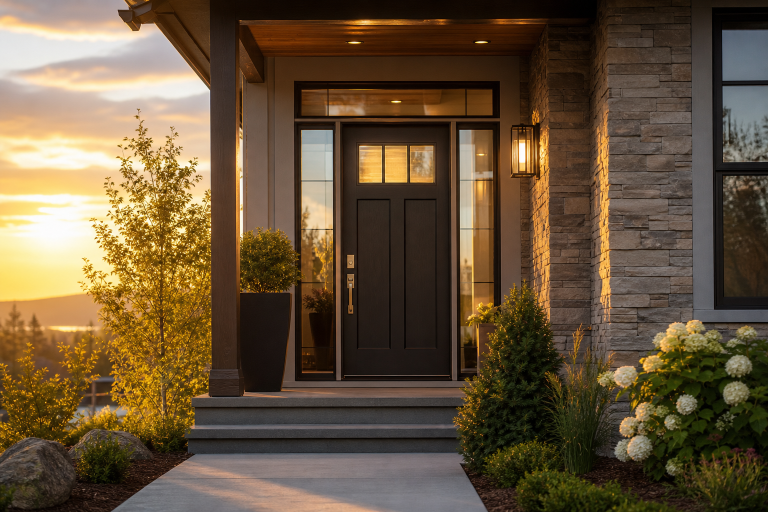
A front door is one of the few home improvements that affects curb appeal, household comfort, and daily peace of mind at the same time. Whether you are replacing an aging slab or planning a new entry, working with a Grand Entry Doors front door supplier can help turn broad style preferences into choices that suit the opening, climate, and home’s exterior.
The strongest front-door decision is not based on color or panel style alone. A good entry system should close smoothly, resist wind and moisture, support secure hardware, limit drafts, and still make the home feel inviting from the street.
Why Door Choice Matters
The front entry is a working part of the home, not just a decorative feature. It manages foot traffic, deliveries, visitors, changing temperatures, rain, and direct sun. Homeowners are also paying closer attention to connected access features, although the smart home technology built right into the door should complement sound construction rather than distract from it.
Start With the Home, Not the Trend
Look first at the home’s architecture. Traditional exteriors often suit raised panels, divided glass, and warm hardware. Craftsman homes work well with simple upper glass and substantial trim, while farmhouse entries can handle classic panels and straightforward colors. Modern homes may benefit from clean slabs, narrow vertical glass, and minimal hardware. Mediterranean homes often pair well with deeper stains, arches, and textured glass.
A bold color can create a focal point, but it should still relate to the roof, trim, windows, masonry, and porch lighting. Consider whether sidelights, a transom, or double doors will improve the entry without making the façade feel out of scale.
Compare Common Door Materials
- Wood: Offers natural warmth, rich grain, repairable surfaces, and a wide range of stain options. It needs dependable sealing and regular finish checks, especially in wet or high-sun locations.
- Fiberglass: Provides low-maintenance performance and a broad range of finishes, including convincing wood-look options. Compare the quality of the skin, core, frame, and factory finish.
- Steel: Often delivers a strong surface and a budget-conscious path to a security-focused entry. It can dent and needs protection where moisture or salt exposure could encourage corrosion.
- Composite-style doors: Can combine insulated cores, durable skins, and reduced upkeep. Review exactly what materials are used in the slab, frame, sill, and locking area.
Construction quality matters as much as the material name. A well-built, correctly fitted door usually performs better than a premium material installed in a weak or poorly prepared frame.
Review the Security Features
Security starts with a door that fits the opening and latches fully. Add a quality deadbolt, reinforced strike plate, and screws long enough to reach structural framing. Strong hinges, secure hinge fasteners, and proper latch alignment are equally important. Multipoint locks can enhance security on taller or heavier doors by locking at multiple points.
Smart Features to Consider Carefully
Keypads, app-based locks, temporary access codes, video doorbells, and automatic locking can make routines easier. Choose systems with a physical backup entry method, keep batteries available when required, install software updates promptly, and confirm compatibility with the household’s existing smart-home platform.
Check Energy and Weather Performance
Drafts often come from the gaps around a door rather than the slab itself. Review weatherstripping, threshold design, insulated cores, frame construction, flashing, and drainage at the sill. If the design includes glass, low-emissivity coatings can help control solar heat gain and improve comfort near the entry.
Compare available U-factor and air-leakage information, but evaluate the whole assembly. A durable finish, reliable seals, and careful installation matter when the door faces heavy rain, wind, intense sun, or large temperature swings.
Balance Glass, Daylight, and Privacy
Glass can brighten a narrow foyer and make an entry feel more open, but clear glazing may reveal too much from a busy street. Frosted, textured, tinted, decorative, or strategically placed glass can preserve privacy while allowing daylight inside. Consider where the afternoon sun falls, how much glare reaches the hallway, and whether a sidelight or transom could add light without exposing the full interior.
Use Style Details With Purpose
Panel proportions, glass layout, grille patterns, trim width, stain tone, paint color, and hardware finishes should feel coordinated rather than overly matched. A simple modern exterior may need a flush door, narrow glass, and understated hardware. A traditional home may look more balanced with raised panels, divided glass, and warmer finishes. The goal is a finished entry that looks intentional from both the porch and the interior hall.
Measure and Plan the Installation
Measure before selecting a design. Check the opening width and height at several locations, jamb depth, threshold height, floor level, swing direction, trim conditions, and clearance for furniture or deliveries. The installer should verify that the frame is square and plumb, inspect for hidden water damage, protect the opening during removal, and test the latch, threshold, seals, and finish before the work is approved.
Plan for Cost and Maintenance
The purchase price is only part of the project cost. Include hardware, upgraded glass, trim, paint or stain, disposal, structural repairs, and installation. Long-term value also depends on maintenance. Clean surfaces with material-appropriate products, inspect exterior finishes and weatherstripping regularly, lubricate moving hardware as recommended, and address swelling, peeling, corrosion, or water entry early.
When comparing brands, the consumer research on durability, security, and design can be a useful starting point, but it should not replace a close review of the specific product construction, warranty, and installation plan.
Use a Simple Buying Checklist
- Measure the opening and confirm the swing direction.
- Set a total budget that includes installation and possible repairs.
- Select a material that suits the climate and maintenance expectations.
- Review the frame, threshold, seals, hinges, and lock system.
- Choose glass that provides the right mix of daylight and privacy.
- Match the panel layout, color, and hardware to the home’s architecture.
- Get installation details, warranty terms, and maintenance requirements in writing.
Conclusion
The right front door does more than improve curb appeal. It should feel natural to use, support household security, manage local weather, and remain practical through years of daily opening and closing. By weighing design, construction, energy performance, installation quality, and maintenance, homeowners can choose an entry that looks appropriate today and continues to perform well over time.

