


This is a Practical Guide to Building a Full Day Around New York City Views, Walkable Neighborhoods, Weather, Timing, Transit, Food, and Photo Stops
New York City rewards travelers who plan for a few memorable views rather than attempting to see every landmark in one day. A skyline-focused itinerary can combine an observation deck, a waterfront walk, neighborhood details, good food, and time to pause without turning the day into a race. If Midtown is your base, booking Empire State Building tickets in advance can give the day a clear centerpiece and help you organize the surrounding stops.
The key is to choose one part of the city, then build outward from there. A successful view day includes one major viewpoint, a few nearby places worth walking through, an indoor option for changing conditions, and a relaxed evening plan. This approach leaves room for unexpected discoveries, whether that means a quiet side street, a favorite bakery, or a sunset that looks better than expected.
Why a Skyline-Focused Day Works
New York looks different from nearly every angle. An elevated deck reveals the city’s scale, while a waterfront path frames bridges and towers against the river. At street level, the skyline becomes part of everyday life, appearing between brownstones, above park trees, or at the end of an avenue. Choosing a single visual theme makes the day feel connected rather than scattered. A focused route also makes practical sense. Instead of spending hours crossing Manhattan and waiting for transportation, you can walk more, notice more, and arrive at your main viewpoint with energy left to enjoy it. The best plans include structure, but they also allow flexibility when a café looks inviting or a neighborhood deserves an extra block.
Choose One Main Area
Midtown Manhattan
Midtown is ideal for first-time visitors who want recognizable architecture, busy streets, shopping, theaters, and central views. Pair an observation deck with Grand Central Terminal, Bryant Park, Fifth Avenue, the New York Public Library area, or an evening walk through Times Square. The distances are manageable, though sidewalks can be busy throughout the day.
Lower Manhattan and the Harbor
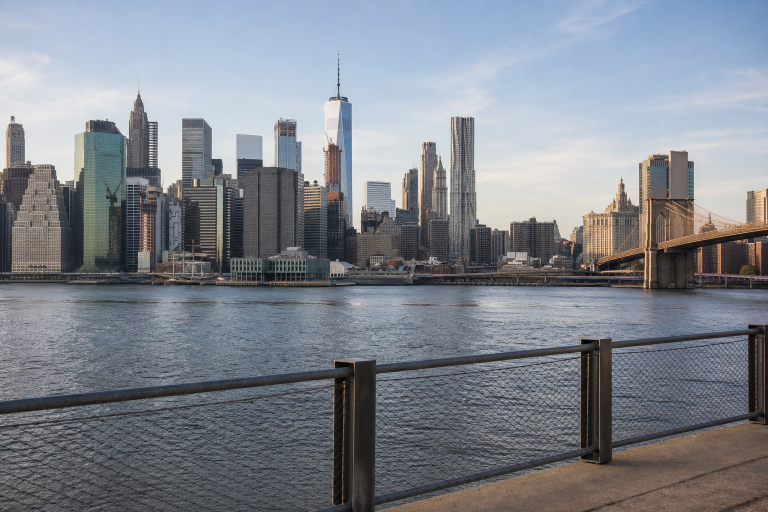
Lower Manhattan works well for visitors drawn to harbor views, historic streets, bridges, and the downtown skyline. Start around the Financial District, Battery Park, or the waterfront, then continue toward the Brooklyn Bridge area. Ferry schedules, museum entry times, and waterfront access can affect the route, so confirm details before setting out.
West Side and Hudson Yards
This route suits travelers who prefer modern design and outdoor space. The High Line, Hudson Yards, Chelsea, and Hudson River Park can fit naturally into one afternoon. It is especially appealing near sunset, when the river reflects changing light and the walk feels less confined than Midtown’s busiest avenues.
A Sample Skyline Itinerary
Morning: Start With a Walk
Begin with coffee and an easy neighborhood walk. Choose a park, waterfront path, historic street, or public plaza near your main area. Starting slowly helps you get oriented and keeps the day from feeling over-scheduled before it has truly begun.
Late Morning: Add an Indoor Stop
Use late morning for a museum, market, library, station, or architectural landmark within walking distance. This is a useful buffer during rain, summer heat, or hazy conditions. It also gives you a chance to sit down before the most important stop of the day.
Afternoon: Make Time for the Main View
Schedule your central viewpoint after lunch, allowing extra time for entry procedures, elevators, exhibits, and photographs. Do not treat the experience as a quick checklist item. Walk the entire viewing area, look in multiple directions, and spend a few minutes without a camera in hand.
Evening: Finish at Street Level
End near your final neighborhood with dinner, a waterfront stroll, live entertainment, or a quieter local walk. A slower finish often becomes the part of the day people remember most, because there is no longer a need to rush toward the next reservation.
Pick the Right Time of Day
- Morning: Best for cooler temperatures, gentler light, and a calmer pace.
- Afternoon: Convenient for museums, shopping, lunch, and flexible indoor breaks.
- Sunset: Delivers changing color and dramatic photos, but usually requires more planning.
- Night: Offers illuminated buildings, energetic streets, and a distinctly different mood.
Sunset shifts significantly across the year, so use the exact date of your visit when choosing a timed ticket. Weekends, holidays, and clear-weather evenings generally create the strongest demand.
Plan Around Weather and Air Quality
Weather can determine whether a skyline is crisp and expansive or muted by clouds, haze, rain, smoke, or humidity. Check the forecast before leaving, and use the New York weather forecast to decide whether outdoor walking is best in the morning, afternoon, or evening.
- Carry water, sunscreen, sunglasses, and a light rain layer.
- Move longer outdoor walks to cooler hours during high heat.
- Review air-quality conditions on hazy or smoky days.
- Keep one indoor attraction ready as a backup.
- Expect exposed decks and waterfronts to feel windier than street level.
Use Simple Transit and Walking Routes
The group stops by the neighborhood instead of repeatedly crossing the city. Use the subway for longer jumps, then walk short connections to see more along the way. Comfortable shoes matter more than a packed schedule, and extra time is essential for crowded platforms, street closures, and the occasional wrong turn.
Build Better Photo Stops
Better skyline photos come from variety, not simply height. Look for bridges, riverside railings, tree-lined parks, building edges, and streets that create a foreground. Early light often softens shadows, while evening adds contrast and color. In crowded places, step aside before reviewing images or maps, and keep phones and cameras secure.
Add Food and Rest Breaks
Plan one proper meal midway along the route, then use cafés, food halls, park benches, or public seating for shorter breaks. Choosing restaurants near your planned area saves time and prevents hunger from dictating the itinerary. For Friday, Saturday, holiday, or event-night dinners, reservations can reduce stress.
Prepare for Crowds and Major Events
Parades, concerts, fireworks, sporting events, festivals, and demonstrations can quickly change travel times. Check city calendars before committing to a route, arrive early for fixed-time experiences, and keep a second subway station or walking path in mind. Visitors looking beyond the usual observation decks can also consider a free public panoramic experience in Lower Manhattan, provided its weekday reservations fit the day’s schedule.
A Quick Planning Checklist
- Choose one neighborhood or viewing zone.
- Select one primary viewpoint and one backup option.
- Confirm current hours, reservations, and entry rules.
- Review weather and air-quality conditions.
- Map walking connections between stops.
- Add an indoor break and a proper meal.
- Check for major events, closures, and transit disruptions.
- Pack water, comfortable shoes, sun protection, and a light layer.
- Leave one open block for an unplanned discovery.
Conclusion
A full day of New York City views does not need to be exhausting. Choose one area, build around one main viewpoint, and permit yourself to slow down between stops. With smart timing, weather awareness, simple transit choices, and a few well-placed breaks, the city feels more enjoyable, more walkable, and far more memorable. Allow extra time for unexpected discoveries, scenic streets, and places that catch your attention along the way. Rather than trying to see everything in one day, focus on fully enjoying a few experiences. A flexible plan also makes it easier to adjust for crowds, changing weather, or tiredness. With the right balance of sightseeing and downtime, you can take in impressive city views without turning the day into a race from one attraction to another.

