


Closing on a home is a major milestone, but it is not simply a meeting to sign a stack of papers and collect the keys. It is your final opportunity to confirm that the property, financing, costs, and ownership details match what you agreed to buy. Working through the process with a trusted Title professional, lender, attorney, or real estate agent can make it easier to identify questions before they become last-minute problems.
A careful review does not require you to become an expert in every document. It does require slowing down, comparing the final paperwork with your contract and earlier loan documents, and requesting a clear explanation whenever something looks unfamiliar or incorrect.
1. Why The Final Review Matters
Small discrepancies can matter at closing. A misspelled name, an incorrect property address, a missing seller credit, or an unresolved repair agreement may delay signing or create work that should have been handled earlier. Review the purchase agreement, amendments, receipts, repair documentation, and lender communications before the appointment. Bring copies or have secure access to them on closing day.
Do not assume that a document is correct simply because it is labeled final. Ask questions while there is still time to correct an error, rather than signing because the meeting feels rushed.
2. Review The Closing Disclosure
For most closed-end mortgage transactions, buyers receive a Closing Disclosure at least three business days before closing. Use that period to compare the final loan terms and costs with your most recent Loan Estimate. The CFPB’s step-by-step explanation of the Closing Disclosure can help you identify where key figures appear on the form.
Items to compare closely
- The loan amount, interest rate, loan term, and projected monthly payment.
- Whether the loan includes a prepayment penalty or a balloon payment.
- Origination charges, points, appraisal-related charges, and other loan costs.
- Property taxes, homeowner’s insurance, prepaid interest, and escrow deposits.
- Seller credits, lender credits, earnest-money deposits, and the final cash-to-close amount.
A change is not automatically a mistake, but it should be understandable. If a fee or loan term differs from what you expected, ask the lender or settlement professional why it changed and whether revised documents are needed.
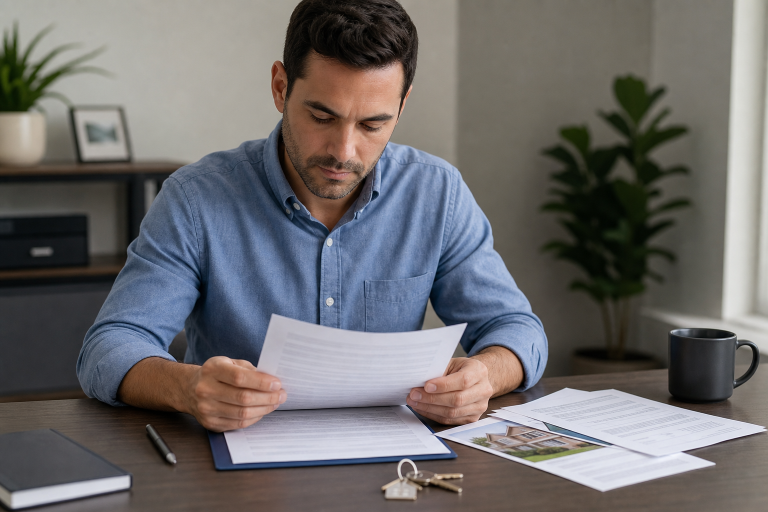
3. Check Ownership And Title Records
A title review examines the ownership history and recorded matters connected to the property. Depending on the property and location, the review may identify unpaid taxes, liens, easements, restrictive covenants, prior-owner claims, or recording errors. Ask for an explanation of every exception listed in the title commitment and confirm that the legal description identifies the property you agreed to purchase.
Title insurance policies serve different purposes. A lender’s policy generally protects the lender’s interest up to the loan amount. An owner’s policy is intended to protect the buyer’s ownership interest, subject to its terms, exclusions, and exceptions. Review what is covered, what is excluded, and whether a listed exception affects your intended use of the home.
For example, a house can appear well-maintained while an older recorded claim or access easement still affects the land. Addressing those issues before closing gives the parties an opportunity to resolve, ensure, or clearly understand them.
4. Complete The Final Walkthrough
The final walkthrough is your last practical inspection before signing. It is not usually a new home inspection. Instead, it is a check that the home is in the condition required by the purchase agreement, agreed repairs are complete, and included items remain.
- Test lights, outlets, appliances, heating, and cooling systems.
- Run faucets, flush toilets, and check beneath sinks for leaks.
- Confirm that the requested repairs were completed as agreed.
- Check for damage caused during the seller’s move-out.
- Verify that keys, garage remotes, fixtures, and other included property are present.
- Photograph any problem and notify your agent or closing professional promptly.
5. Confirm Closing Costs And Credits
Closing costs can include loan charges, title and settlement services, government recording fees, prepaid interest, insurance premiums, property taxes, and initial escrow deposits. “Cash to close” is not the same as total closing costs. It reflects the amount you must bring after accounting for the purchase price, loan proceeds, deposits, credits, prorations, and other transaction items.
A quick cost checklist
- Does the purchase price match the signed contract?
- Are earnest money and seller or lender credits applied correctly?
- Are taxes, insurance, and escrow amounts explained?
- Do title and settlement charges match your understanding?
- Does the final cash-to-close figure fit the payment instructions you verified?
6. Watch For Wire Fraud
Wire fraud is a serious closing risk because criminals may impersonate a lender, agent, attorney, or settlement professional and send convincing last-minute payment instructions. The Federal Trade Commission warns that an unexpected request to wire closing money to a different account can be a scam, so verify unexpected wire instructions using contact information you already know is legitimate.
- Do not rely on an email, text, or attachment alone.
- Call a trusted number you independently confirmed.
- Confirm the recipient name, bank, account details, and transfer amount verbally.
- Do not use a phone number supplied in a suspicious message.
- If you send funds to the wrong account, contact your bank immediately.
7. Review The Main Closing Documents
The documents vary by state and transaction, but buyers commonly see the Closing Disclosure, promissory note, mortgage or deed of trust, deed, escrow disclosures, and title documents. The note states the borrower’s promise to repay. The mortgage or deed of trust gives the lender a security interest in the property. The deed transfers ownership from seller to buyer.
Before signing, verify names, marital-status details where applicable, the property address, legal description, loan terms, dates, and signature blocks. Request copies of the final signed documents for your records.
8. Questions To Ask Before Signing
- What has changed since the last version of these documents?
- Why is the cash-to-close amount different from the earlier estimate?
- Which repairs are complete, and is anything still unresolved?
- Which title exceptions should I understand before taking ownership?
- What does the owner’s policy cover, and what does it exclude?
- Which fees are paid by the buyer and which are paid by the seller?
- How should closing funds be delivered and verified?
- Who should I contact if an issue appears immediately after closing?
9. Common Closing Mistakes To Avoid
- Waiting until closing day to read important documents.
- Skipping the final walkthrough because the home looked fine earlier.
- Ignoring unfamiliar title exceptions or legal descriptions.
- Failing to compare the Closing Disclosure with the Loan Estimate.
- Signing documents that contain incorrect names, figures, or property details.
- Sending money after receiving unverified wire instructions.
- Feeling pressured to sign before receiving a clear answer.
10. Final Thoughts
A thoughtful closing review can reduce avoidable surprises. Check the numbers, review the ownership information, complete the walkthrough, verify payment instructions, and speak up when something does not match your understanding. A short checklist and a willingness to ask direct questions can make the final step toward homeownership far more organized and confident.

