


A coastal home near Acadia National Park can offer remarkable scenery, easy access to outdoor recreation, and a strong sense of place. It can also present practical questions that are easy to overlook during a sunny summer showing. A cottage that feels effortless in July may require a very different level of planning in January, especially when wind, snow, heating needs, and reduced local activity come into play.
For buyers comparing homes, land, condos, and coastal properties around Mount Desert Island, Bar Harbor ME real estate expert Steven Shelton of Acadia Realty Team provides local market knowledge, property-search resources, and experience across Bar Harbor, Southwest Harbor, Mount Desert, and nearby Acadia-area communities. Local insight is useful when evaluating access, neighborhood character, and seasonal patterns, but buyers should still independently confirm records, conditions, permits, and costs before making an offer.
Start With How You Plan To Use The Home
The right property depends on whether it will be a primary residence, a seasonal escape, a second home, or a rental. A year-round household may place the most weight on reliable heat, internet service, winter road access, nearby groceries, health care, and daily services. A seasonal owner may prioritize a manageable winterization plan, caretaker availability, and the ability to check on the home remotely.
A rental plan requires additional caution. Do not assume that visitor demand automatically makes a property suitable for short-term rentals. Review municipal rules, parking, occupancy limits, septic capacity, insurance requirements, and any association restrictions before using projected rental income to justify a purchase.
Compare Locations Beyond The View
Bar Harbor, Mount Desert Island villages, and nearby coastal towns can feel very different even when they are only a short drive apart. Consider how far the property is from year-round services, fuel, grocery shopping, restaurants, schools, and medical appointments. Also ask whether the road is public or private, who handles plowing, whether the driveway is steep, and how easily emergency vehicles can reach the house.
Living near a popular destination can also affect ordinary routines. Summer traffic, parking pressure, visitor activity, and proximity to an active harbor or public access point may matter as much as the water view. Before committing, visit at different times of day and, if possible, in more than one season. The National Park Service notes that park conditions, services, roads, and seasonal operations can change, so review Acadia National Park planning information while considering how nearby visitation may shape access and traffic.
Make Winter Readiness A Core Evaluation
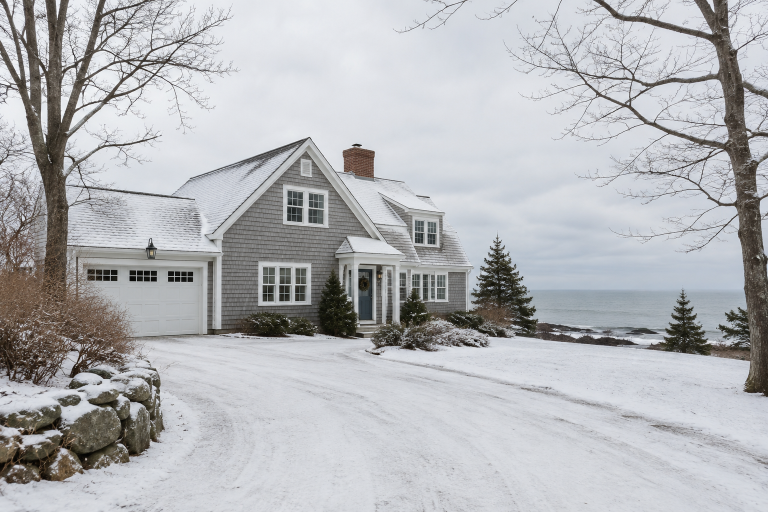
Winter performance is not a minor maintenance detail in coastal Maine. Ask about the heating system’s age, fuel type, maintenance history, and capacity to serve the entire home. Look in the attic, basement, crawl space, and around exterior walls for insulation gaps, moisture staining, drafts, or signs of ice dams and frozen plumbing.
Review the roof, drainage, siding, exterior paint, and exposure to wind-driven rain. Confirm whether the property has backup heat, a generator, adequate fuel storage, and a realistic snow-removal arrangement. If the home has been vacant in winter, ask how it was winterized and whether any plumbing or weather-related repairs were needed.
Investigate Well And Septic Records
Private water and wastewater systems deserve careful attention. Request well test results, flow information if available, septic permits, design documents, pumping records, and previous inspection reports. Verify the septic system’s location, age, and approved bedroom count, then compare that information with the home’s current layout and your intended use.
Slow drains, wet ground, odors, or unusually lush areas near the disposal field all warrant further investigation by qualified professionals. Maine requires permits for many new, expanded, and replacement subsurface wastewater systems, so buyers considering an addition, more bedrooms, or a seasonal conversion should review Maine septic permitting guidance before assuming the existing system can support those plans.
Study Coastal Conditions And Future Restrictions
For homes near the ocean, ponds, streams, or tidal areas, inspect the land as closely as the building. Review flood mapping, drainage routes, elevation, erosion concerns, shoreline stabilization, retaining walls, docks, shared waterfront, easements, and any history of storm repairs or insurance claims.
Also ask about shoreland zoning and local land-use rules. A deck, accessory building, tree removal plan, dock improvement, rental use, or future addition may involve restrictions that are not obvious from a listing. “Water view,” “buildable,” and “rental potential” are descriptions, not guarantees. Confirm what is legally permitted.
Build A Complete Ownership Budget
A practical budget should extend well beyond the mortgage payment. Include:
- Property taxes, homeowners insurance, and flood insurance if applicable.
- Heating fuel, electricity, internet, trash service, and water testing.
- Snow removal, lawn care, septic pumping, chimney service, and routine inspections.
- A reserve for roof repairs, exterior maintenance, plumbing problems, and storm-related work.
- Property management or caretaker costs if the home will sit vacant.
- Conservative rental estimates that account for vacancy periods and operating expenses.
Ask Better Questions During Inspections
Use the inspection period to turn impressions into documented answers. Ask about the roof, heating equipment, water heater, electrical panel, basement moisture, radon, lead paint, pests, and insulation. Confirm that the permits match the current bedroom count and layout. If there are shared roads, private bridges, common areas, or association fees, obtain the written agreements and understand who pays for repairs.
Create A Simple Decision Scorecard
When comparing several properties, score each one on a consistent scale rather than relying only on emotion. Rate the location for all-season convenience, the condition of major systems, safe storm and winter access, well and septic documentation, total ownership cost, and flexibility for future plans. A beautiful setting should earn points, but it should not outweigh unresolved questions about infrastructure, rules, or affordability.
Common Buyer Questions
Can A Seasonal Cottage Become A Year-Round Home?
Possibly, but the answer depends on heating, insulation, plumbing, access, septic capacity, and applicable code or permit requirements. Verify feasibility with qualified local professionals before treating conversion potential as certain.
Should Buyers Visit In Winter?
Yes, when practical. A winter visit can reveal snow conditions, wind exposure, driveway challenges, heating performance, drainage concerns, and the true pace of the surrounding community.
Buy The Whole Property, Not Just The Setting
The strongest coastal purchase combines beauty with dependable systems, safe access, clear records, workable rules, and a realistic ownership budget. A careful review of the house, land, infrastructure, and intended use can help buyers find a Bar Harbor or Acadia-area home that remains enjoyable long after the first view from the porch.

