


Selling a house in its current condition can be a practical choice for Little Rock owners facing deferred maintenance, an inherited property, a vacant home, or a quick move. Before deciding how to proceed, homeowners can get a fair cash offer in Little Rock, AR and compare it with the likely outcome of listing the property on the open market. From older homes near Hillcrest and The Heights to larger properties in West Little Rock and rental homes across Pulaski County, every house has a different combination of location appeal, condition issues, and buyer demand. The right path depends on whether the seller values maximum exposure, a faster closing, fewer repairs, or a simpler transaction.
What Selling a House As-Is Means
When a house is sold as-is, the buyer agrees to consider purchasing it in its present condition. That does not mean the buyer cannot inspect the home, negotiate a lower price, or exercise contract rights included in the agreement. It also does not make misleading statements or the omission of known problems acceptable. Common concerns in Little Rock properties include older roofs, dated electrical panels, plumbing leaks, foundation movement, storm-related damage, aging HVAC equipment, and long-postponed cosmetic work. An as-is sale allows a homeowner to decide not to complete every project before marketing the home, but the property still requires an honest description and carefully prepared paperwork. Homeowners with property elsewhere in the Mid-South may face similar decisions, and those looking to sell my house in Memphis, TN, can use the same basic approach: comparing repair costs, contract terms, and estimated proceeds before accepting an offer.
How the Little Rock Market Can Affect Your Sale
Pricing matters when buyers have more properties to consider. In September 2026, Little Rock housing market data showed active inventory and pricing trends that indicate condition and realistic pricing are more important for sellers of fixer-uppers. Neighborhood differences also matter. A dated home in a sought-after historic area may draw buyers who value character and walkability. A comparable property in a more suburban part of West Little Rock may compete more directly with newer, move-in-ready homes. Lot size, school-area preferences, commute routes, nearby shopping, and visible maintenance issues can all shape buyer interest. Instead of relying only on an online estimate, review recent sales of homes with a similar size, age, location, and condition. An experienced local agent, appraiser, or buyer may help identify a reasonable as-is value range.
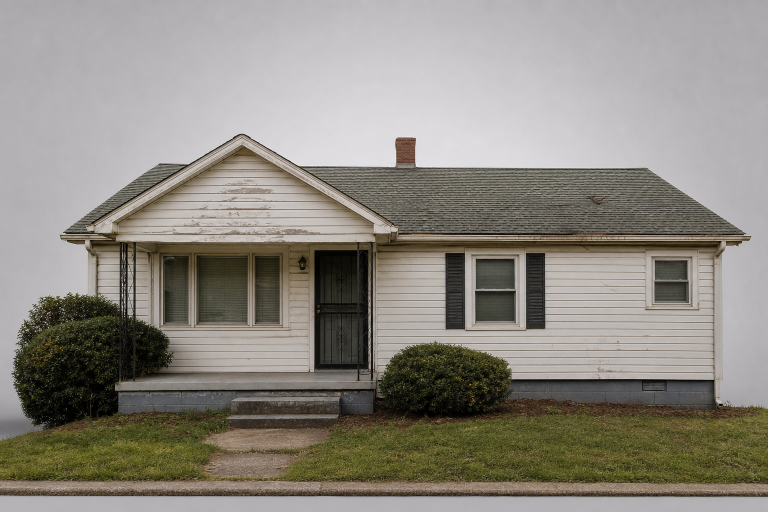
Three Common Ways to Sell an As-Is Home
1. List With a Real Estate Agent
A listing may provide MLS exposure, professional marketing, and access to buyers using conventional, FHA, VA, or cash financing. This route can make sense when the home has a strong location or needs mostly cosmetic work. However, sellers should expect photographs, showings, inspections, negotiations, and possible requests for repair credits or price reductions.
2. Sell Directly to a Cash Buyer
A direct sale can be appealing when a home needs substantial work or the seller wants to avoid staging and repeated showings. Cash does not automatically mean the transaction is risk-free. Review proof of funds, inspection language, closing deadlines, assignment rights, and every proposed fee or deduction. Compare more than one offer when possible.
3. Sell It Yourself
A For Sale By Owner transaction may reduce certain listing expenses, but the owner is responsible for pricing, marketing, buyer screening, scheduling access, negotiating, and handling paperwork. A title company and qualified real estate attorney can still be valuable, especially when ownership or contract issues are complicated.
Focus on Net Proceeds, Not Just the Offer Price
The meaningful number is what remains after the sale closes, not simply the price printed at the top of an offer. A useful starting formula is:
Estimated Net Proceeds = Sale Price − Mortgage Payoff − Repairs − Commissions − Closing Costs − Buyer Credits − Other Property Expenses
Possible expenses include loan payoff amounts, agent compensation, title and recording charges, negotiated repair credits, unpaid utilities, insurance, taxes, moving costs, and liens. Who pays particular closing expenses is often negotiable and depends on the contract. Sellers can use the CFPB guidance on shopping for title insurance and other closing services to understand better why itemized closing figures matter.
Ask for a written seller net sheet before accepting an offer. It should show the expected payoff, credits, fees, and estimated funds due to the seller.
Deciding Whether Repairs Are Worth It
- Address urgent safety, water-intrusion, or basic livability concerns first.
- Get more than one estimate for major work, such as roofing or foundation repair.
- Compare the repair cost with the realistic increase in sale price.
- Consider the time, disruption, and contractor management involved.
- Prioritize lower-cost improvements that improve first impressions, such as cleanup, paint, or yard maintenance.
For example, a seller may receive a $15,000 roof estimate but determine that a new roof is unlikely to raise the eventual sale price by the same amount. Selling as-is and pricing accordingly may be the more practical option. By contrast, cleaning out a cluttered home or repairing a small visible defect may make showings easier without requiring a major investment.
Documents and Issues to Handle Early
Gather the deed, mortgage payoff information, tax records, insurance details, repair invoices, surveys, HOA documents, leases, and known defect information before marketing the property. If the home was inherited, jointly owned, involved in a divorce, tenant-occupied, or subject to a power of attorney, collect the applicable estate or ownership documents as well. Title questions, unpaid liens, probate steps, multiple-owner approvals, unresolved insurance claims, municipal notices, and lease obligations can delay any sale. Resolving them early gives the title company or attorney time to identify what must be cleared before closing.
How to Review a Cash Offer Carefully
- Confirm the full purchase price and estimated net proceeds.
- Identify repair deductions, credits, fees, or other charges.
- Check whether inspections, financing, appraisal, or resale conditions remain.
- Request proof that the buyer has available funds.
- Verify the closing date, possession date, and title company handling the transaction.
- Read cancellation, default, and assignment clauses before signing.
A fast closing date has limited value if the agreement permits open-ended renegotiation or leaves deductions unclear. Avoid pressure to sign immediately, blank contract spaces, vague proof of funds, requests for upfront seller payments, or suggestions to skip title work.
A Practical As-Is Selling Timeline
- Days 1 to 3: Gather records, estimate the mortgage payoff, and define whether speed or price is the priority.
- Days 3 to 7: Review comparable sales, request repair estimates, and compare possible selling paths.
- Week 2: Prepare disclosures, choose a method, and evaluate written offers.
- Weeks 2 to 6: Complete title work, inspections, negotiations, and contract requirements.
- Closing: Review the settlement figures, sign documents, and confirm how sale funds will be delivered.
Frequently Asked Questions
Can I sell my Little Rock house without repairs?
Yes. You can market the home in its current condition, but price it appropriately, communicate known concerns accurately, and review the contract closely.
Will an as-is sale always bring a lower price?
Not necessarily. Location, land, layout, demand, and the scope of needed work all affect value. Buyers commonly account for repair costs and uncertainty in their offers.
Is a cash offer better than listing?
It depends on your priorities. A listing may provide broader exposure, while a cash sale may involve fewer moving parts and a more predictable timeline.
Final Checklist
- Estimate the as-is value and likely repair costs.
- Compare at least two selling options.
- Review net proceeds rather than headline price alone.
- Confirm the buyer’s ability to close.
- Make sure contract terms, disclosures, and title details are clear.
Selling an as-is house in Little Rock, Arkansas, does not require one fixed solution. By comparing the numbers, timeline, work involved, and the buyer’s contract terms, homeowners can choose a path that fits their property and next steps.

