


Selling a home on a short timeline can feel overwhelming, especially when repairs, moving plans, inherited-property questions, or mortgage payments are involved. A fast home sale in New Market, AL, may be possible, but the best approach depends on your deadline, your property’s condition, and the amount you hope to take home after costs.
Quickly does not have to mean carelessly. Before accepting any offer, take time to understand the likely expenses, the buyer’s terms, and the steps that could delay a closing. A clear plan helps you move faster while protecting your equity and avoiding unnecessary surprises.
Set Your Selling Timeline
A fast sale starts with a realistic deadline. Decide whether you have a preferred closing date or a non-negotiable date tied to relocation, debt payoff, a new purchase, probate, or another major event.
Work backward from that date and leave room for title work, buyer inspections, lender underwriting, required signatures, and moving arrangements. A homeowner with several months may be comfortable listing on the open market, while someone facing mounting expenses may prioritize a more certain process with fewer moving parts.
For an overview of a direct-sale option, www.northalabamahousebuyer.com can help homeowners understand one possible route before they compare it with listing through an agent or selling independently.
Check Your Home’s Condition
You do not need to make every room look new before selling. You do need an honest picture of the property’s condition, because that affects pricing, buyer interest, repair negotiations, and the selling method that makes the most sense.
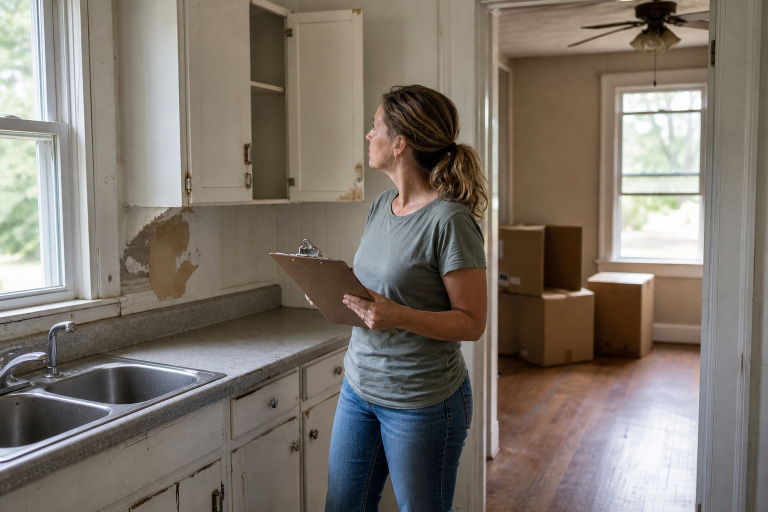
Walk Through Each Area
- Check the roof, gutters, siding, windows, driveway, and exterior drainage.
- Test heating, cooling, plumbing, electrical fixtures, and major appliances.
- Look for damaged flooring, wall cracks, ceiling stains, or outdated kitchens and bathrooms.
- Watch for moisture, mold, storm damage, foundation concerns, or pest activity.
- Review unpaid taxes, liens, code notices, insurance claims, and homeowners association obligations.
Take clear photos and gather invoices, permits, warranties, and repair records. Fixing basic safety issues can be worthwhile, but expensive renovations may not return their full cost when time is limited. Known defects should be disclosed accurately rather than hidden in hopes of avoiding negotiation.
Compare Your Selling Options
New Market sellers generally have three main paths. Each can work in the right situation, but each involves different tradeoffs in time, effort, certainty, and possible proceeds.
Listing With A Real Estate Agent
- May bring broad exposure to traditional buyers through marketing and showings.
- Often works best for homes in market-ready condition.
- Can require cleaning, repairs, staging, negotiations, inspections, and buyer financing approval.
- Agent compensation and transaction costs should be included in the estimated net proceeds.
Selling For Sale By Owner
- May reduce some listing expenses.
- Leaves the owner responsible for pricing, marketing, showings, contracts, and negotiations.
- Still may require professional legal, title, or contract assistance.
Considering A Direct Cash Offer
- May reduce the need for repairs, showings, and open-market marketing.
- Can be useful for homes needing substantial work or an accelerated closing.
- May involve a lower price in exchange for convenience, speed, and reduced uncertainty.
- Requires careful review of inspection rights, closing costs, title work, and assignment language.
Price The Property With Care
Price and speed often pull in opposite directions. Pricing too high can limit interest and extend the time on market, while pricing too low can leave equity behind. Build a reasonable range by reviewing recent comparable sales, adjusting for lot size, condition, age, and location, and obtaining written repair estimates when possible.
Focus on the net amount, not only the advertised price. For example, a $250,000 offer that requires $15,000 in repairs, several months of carrying costs, and standard selling expenses might produce a result similar to a lower offer with fewer contingencies and a quicker close. Every estimate is property-specific, so use actual numbers whenever possible.
Prepare The Right Documents
Paperwork problems can delay even a motivated buyer. Start collecting your government-issued identification, mortgage payoff details, deed or prior title documents, property-tax information, repair invoices, permits, warranties, and homeowners association documents, if applicable.
Inherited homes, divorce-related sales, trusts, powers of attorney, and rental properties may require additional records. Probate paperwork, authority to sell, tenant leases, and payment histories may all be relevant. Unresolved liens, missing signatures, and ownership disputes should be addressed early.
Review Offers Beyond The Price
The highest number on an offer is not automatically the best outcome. Ask whether the buyer is relying on financing, how much earnest money is offered, how long the inspection period lasts, who pays closing charges, and whether the buyer can request repairs or credits later.
Also, check whether the contract allows assignment to another party, whether the proposed closing date is realistic, and what happens if either side misses a deadline. Request a written net sheet for each option so you can compare estimated proceeds after fees, payoff amounts, repairs, and concessions.
Protect Yourself From Scams And Pressure
Urgency can make homeowners more vulnerable to bad deals. The warning signs of mortgage relief scams include upfront fees, demands to stop speaking with your lender, and pressure to transfer your deed before you understand the transaction.
- Do not sign incomplete documents or paperwork with blank spaces.
- Verify the buyer’s identity, business information, and proof of funds when appropriate.
- Confirm that the title company or closing professional is legitimate and involved in the transaction.
- Slow down when someone pressures you to sign immediately or promises an unrealistic result.
- Consider having an attorney review unusual contracts, especially when foreclosure, probate, or title concerns are involved.
Prepare For Closing
At closing, the settlement professional coordinates the transfer of ownership, payoff information, final documents, and distribution of funds. Confirm the date, location, required identification, mortgage payoff figure, and any title issues well before the appointment.
Review the purchase agreement and settlement statement carefully. The Consumer Financial Protection Bureau advises sellers and buyers alike to take time reviewing closing documents and to stop for questions when paperwork does not match expectations. Verify wire instructions by calling a trusted number, not a number sent in an unexpected email.
Common Questions About Selling Quickly
Can A House Be Sold Quickly If It Needs Repairs?
Yes. The buyer pool may be smaller, and the price may reflect the work needed, but many sellers choose to sell as-is when repairs are too costly or time-consuming. Honest disclosures remain important.
Is The Fastest Offer Always The Best Offer?
No. A fast offer can be valuable, but compare the price, contingency terms, likely closing costs, and certainty of completion before deciding.
What If The Property Is Inherited?
You may need probate documents, authority to sell, and cooperation from other heirs. Speak with a qualified local attorney or title professional if ownership is unclear.
Conclusion
Selling a house quickly in New Market requires more than accepting the first buyer who calls. Set a firm timeline, understand the property’s condition, compare selling methods, calculate your estimated net proceeds, and read every agreement carefully. Speed has real value, but a well-informed decision helps protect both your time and your financial outcome.

